what to do with leftover beef "fat" trimmings


Jump to Recipe
In this post, acquire how beefiness fat tin be rendered to brand a nutritious, multi-purpose cooking oil. This process is quick and simple, requiring only a few minutes of prep and some leftover animal fatty (beef, pork, etc).

Each year, we society our meat in bulk and purchase 1/2 of a grass-fed moo-cow. With that order, we stop up with a lot of steaks in the freezer. While that sounds fancy, nosotros generally get what the butcher gives up. Y'all can put in some requests, but you always get a broad diversity of cuts.
This actually is my preferred style, because we end up saving a lot of coin. I also dearest that nosotros will always have meat on manus to make our family favorite meals like burritos with bootleg tortillas, pumpkin chili, stuffed bell peppers, shepherd's pie, and homemade hamburger helper, just to proper noun a few.
One tricky part of purchasing our meat similar this is that you lot may stop up with cuts you aren't quite as familiar with. This doesn't bother me, because I love a good cooking challenge.
And when that delicious beef has chunks of fatty on it, well, relieve it for rendering. Y'all already paid for that good quality meat – y'all might equally well get the virtually out of it!
With a little prep piece of work and some tiresome cooking, you lot can make a delicious and healthy oil for cooking or baking.
Rendered beef fatty is called tallow, and it is delicious, sustainable, economical, and healthy!

Tips:
- This is best cooked low and slow for a few hours. If your temperature is as well high, you tin wait it to burn.
- When you are cooking down the fat, there will be some meat that volition not return out. Don't expect the pot to be completely melted. The slower the fatty is cooked, the whiter and more neutral-smelling it will be. You can cook it depression for two hours, or even at a slightly lower temperature for 6-8 hours.
- It is all-time to use the whiter, more than neutral tallow for baking and pastries, as there is less beefiness flavor to interrupt the season of your baked good. Less white tallow, that may take been rendered more than quickly, works really well for most other cooking, equally it offers a hearty beef season to complement your dish.
This post contains chapter links, which means I brand a modest commission at no actress cost to you. Run into my total disclosure here.
Tools you may need:
Knife
Cutting board
Large pot
Fine mesh strainer
Benefits Of Rendered Beef Fatty
Rendered beef fatty, or tallow, is an amazing cooking oil. Information technology has a higher smoke point than many vegetable oils, and information technology's a sustainable way to utilise something that normally would just exist tossed away. Also, information technology contains minerals and vitamins like A, D, E, and K.
What is rendering beef fat or tallow?
It is the procedure of liquifying, straining, and storing fats that tin later be used for cooking. Rendered beefiness fat is the perfect cooking medium for sautéing.
At what temp does beef fat render?
Beef fat renders at 130-140°F (54-sixty°C). This is a process you lot want to accept tedious, and then maintain this temperature while cooking for several hours.
How do you know if your fatty is rendered?
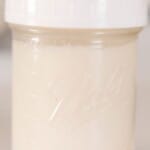
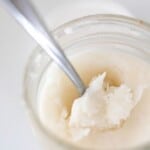
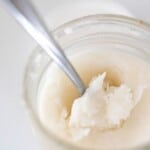
It will be a squeamish yellowy white liquid. Once it is strained and immune to absurd, it volition be creamy white.
How tin you apply rendered fat?
Use rendered fat for cooking, sautéing, frying, and even in pastries. You lot can also utilise it to brand candles, soaps, torso products, and to keep your cast iron in tip-top shape.

How To Render Beef Fatty
Remove excess fatty from your beef (or pork) using a knife and cutting board. Experience free to dive in there bare-handed and keep information technology elementary.

Cut fat into one-2 inch portions.
Place into a large saucepan or pot and identify over low heat for a few hours, stirring occasionally. You want the temperature to hold effectually 130-140 degrees. The fat should exist a yellow color. If it is starting to turn brown, and then the heat may be too high.
After the beef has rendered, while it is still hot, advisedly cascade the tallow through a fine mesh strainer into a container. Non everything will completely melt. There will be some pieces of meat and other $.25 that don't render.

Permit to cool in the refrigerator.
Now your tallow is ready to cook with!
Store in the fridge in an air-tight container (I similar mason jars for this) for 2-3 months.
Find More From-Scratch Recipes
- How To Make Sour Foam From Raw Milk
- Lacto Fermentation: Guide To Fermenting Vegetables
- Einkorn Biscuits
- Circular Steak With Caramelized Onions And Mushrooms
- How To Make Raw Milk Yogurt In The Instant Pot
Ingredients
- ii-five pounds beef fatty (pork fat will also work)
Instructions
Remove excess fatty from your beefiness (or pork) using a knife and cutting board.
Cut fat into i-ii inch portions.
Identify into a big saucepan or pot and identify over low heat for a few hours, stirring occasionally.
Later the beef has rendered, while it is still hot, advisedly strain the tallow through a fine mesh strainer into a container.
Allow to cool in the refrigerator.
Now your tallow is prepare to cook with!
Notes
Store in the fridge in an air-tight container (I like mason jars for this) for 2-iii months.
You desire the cooking temperature to be around 130-140. Too hot and information technology will burn down.
Source: https://www.farmhouseonboone.com/how-to-render-beef-fat

Post a Comment for "what to do with leftover beef "fat" trimmings"